

Client experience is a primary focus for many financial advisory practices. Rightfully so, as without happy clients a practice wouldn’t exist. Yet many advisors fail to deliver a seamless and consistent client experience, especially when it comes to financial planning. We found that the key to success is having clearly defined roles and responsibilities and repeatable process the team can follow for each client.
Start By Defining Roles and Responsibilities
One of the reasons why a financial planning process fails is because there isn’t clarity around who is responsible for what. Depending on how your practice is structured, one person could be responsible for every group of tasks, or it can be divided among multiple staff members. In either case, someone needs to be responsible for each of the following items:
- Data collection: Someone is reaching out to the client either by phone or through the CRM to make sure all relevant data is collected. This includes prompting for and collecting any changes in employment, life circumstances, contact information, etc.
- Data Entry: All of the data that has been collected then needs to be entered into all of the appropriate places, including CRM and your planning software be it Naviplan or Money Guide Pro.
- Solutions: As changes to the client’s situation have been identified and goals defined, someone needs to explore solutions and find opportunities. This mean running through scenarios and providing recommendations to achieve the client’s financial goals.
- Deliverable Creation: Once solutions have been developed, someone is responsible for creating the financial planning deliverable (proposal or letter).
- Plan Delivery: An individual responsible for delivering the plan to the client and closing the plan at home office.
Lastly and most important, you also want to identify a person who is responsible for holding the team accountable for staying on top of the process. This person keeps a bird eye view on the status of all financial planning tasks for every client in the practice and ensures each team member follows through.
Define What Needs To Happen And When
Next, it’s important to have a clear process with deadlines for the team to follow. Here is a rough outline of the process we use.
6 Weeks Prior to Delivery Meeting – Collect All Data
Starting at least 6 weeks before the delivery meeting, use a checklist to collect all necessary data.
6 to 5 Weeks Prior to Delivery Meeting – Enter Data
Within one week of receiving all data, have it entered in the planning tool and identify if anything needs clarification. Reach out to the client or appropriate team member for clarification and pull any necessary reports. Once the data is confirmed, move on to the next step.
4-3 Weeks Prior to Delivery Meeting – Case Solution
Financial planning analyst reviews the case and develops potential solutions to deliver to the client.
3-2Weeks Prior to Delivery Meeting – Deliverable Creation
Responsible person inputs the solution(s) into the desired deliverable, either a letter or proposal, and saves the deliverable along with any insurance illustrations to review in the appropriate document sharing tool (e.g. Box).
2-1 Weeks Prior to Delivery Meeting – Deliverable Review
The advisor reviews the deliverable, makes note of any corrections or clarifications, and helps prepare final draft to deliver to the client and home office.
Delivery Meeting
The advisor and/or financial planner reviews the plan with the client. They discuss any scenarios and reach agreement on the final plan.
After Delivery Meeting
The financial plan deliverable is closed in the home office system and the planning tool. The closed plan is then uploaded to the document sharing tool (e.g. Box) and published to the client’s secure site.
It’s best to use a tracking system that would allow for any team member involved in the planning process to be aware of when the plan is due and when to begin collecting data. We have a tracking system we use with clients that makes it easy to see where the team is at in the process and what still needs to be done. It also helps to have a second person in the delivery meeting who can capture any additional data/changes and who can help run multiple scenarios while the advisor or planner are maintaining the client relationship.
This is the process we take with our clients who engage in our outsourced Financial Plan Production service. We have found that having a repeatable process enhances the client experience. We have also found that having an advisor and a planner or analyst in the room together during the delivery also enhances the client experience. It allows the advisor to remain engaged in the relationship while the planner or analyst focuses on driving the technology and capturing any necessary data. The result is a more complete financial plan and a happier client.
Share This Post
Subscribe to Keys to Success
Receive timely articles and news on upcoming webinars and events by subscribing Keys to Success.
For articles and white papers on acquisitions and successions, please go to our sister site Advisor Legacy.
Related Posts
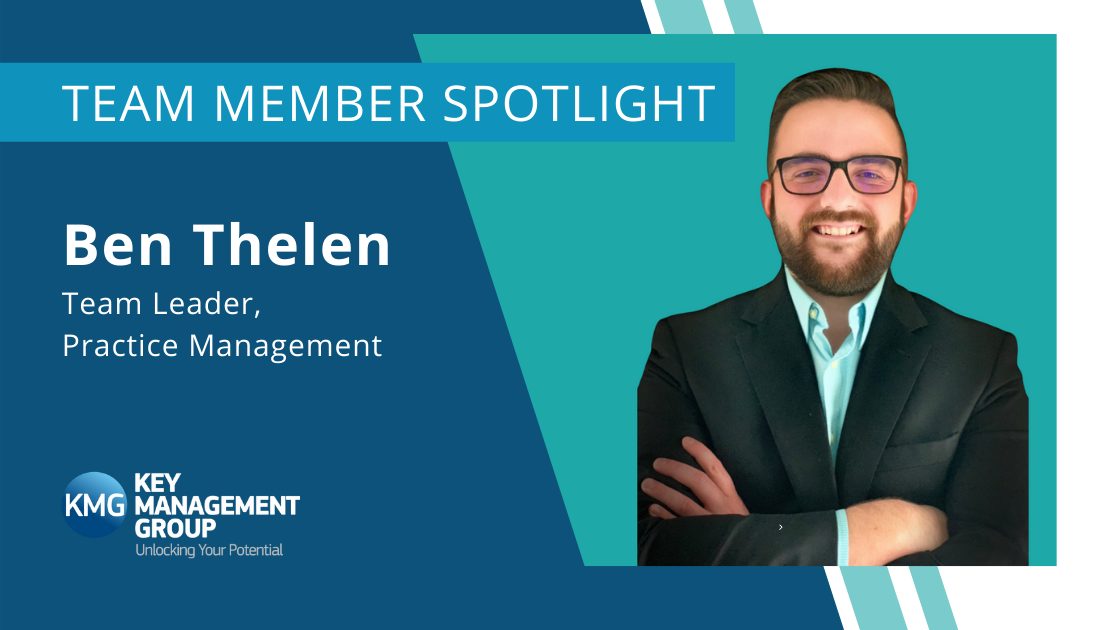
This blog post is part of a series highlighting Key Management Group team members.
Ben Thelen joined Key Management Group as a Practice Management Coach but was soon applying his background as an advisor and his degree in Business Administration to solve even bigger problems for our clients. Now he serves […]

As all sectors of the economy struggle to find and retain talent, advisors are looking at ways to stay ahead of the great resignation trend and keep their staff on board. Many factors are leading employees to resign in record numbers. For the most part, the financial advisor industry has stayed ahead of the curve, […]

As 2021 comes to a close, we wanted to take a moment to reflect back on the year and how it has impacted the financial advisor industry. Despite a continued pandemic, supply chain woes, and rising inflation, advisors not only survived but thrived and emerged as a trusted and valued resource for clients. Advisors also […]

It’s always exciting bringing on a new team member. Whether adding a new position and growing your team, or replacing someone who has left, the new person represents possibility for the future and a hope that the practice is moving in the right direction. Unfortunately, that excitement can quickly fade if certain steps aren’t taken […]

