

As all sectors of the economy struggle to find and retain talent, advisors are looking at ways to stay ahead of the great resignation trend and keep their staff on board. Many factors are leading employees to resign in record numbers. For the most part, the financial advisor industry has stayed ahead of the curve, thanks largely in part to competitive pay, robust benefits, and flexible work options. But as labor shortages drive other industries to offer more and more enticing benefits in an effort to lure employees away, advisors need to evaluate and redefine their practices to ensure they remain an employer of choice. One way to do this is by designing your team and your practice in a way that allows your staff to focus on meaningful work.
The drive for meaningful work is not new. What has changed is the definition. In the early days of the meaningful work movement, the focus was on “passion” and more philanthropic work. Overtime this came to mean leveraging technology and systems to automate menial and mundane tasks so that staff can focus on more creative, hands-on, and client centered work.
For knowledge workers, like those in the advisory industry, leveraging technology and outsourcing client prep, financial planning, and other administrative tasks allows the firm to direct its in-house staff toward more meaningful assignments. Instead of staff spending their time pulling reports and designing agendas, they can focus instead on developing client relationships, business development, and other strategic initiatives like COI relationships and acquisitions. These initiatives provide staff with more meaning and connection. Staff want to feel important and see that their work is contributing to big goals. The more that they are involved in the front lines, interacting with clients, and supporting strategic initiatives (instead of administrative tasks), the more they are able to draw that connection between their effort and the bigger picture. That connection leads to a deeper sense of loyalty and commitment. Staff are invested in the outcome, and as a result, are less likely to leave.
If attracting and retaining staff is a priority for your practice, in addition to great benefits and culture, look for ways to eliminate menial and repetitive tasks and design more meaningful work into each position. One of the best ways to free up your staff for more meaningful work is by outsourcing client prep. This will free up your team to focus on the client interaction, without sacrificing any value to the client. If anything, it will create additional value, as most outsourced solutions have systems and processes that yield better insights for the client, and consequently, more opportunities for the practice.
Share This Post
Subscribe to Keys to Success
Receive timely articles and news on upcoming webinars and events by subscribing Keys to Success.
For articles and white papers on acquisitions and successions, please go to our sister site Advisor Legacy.
Related Posts
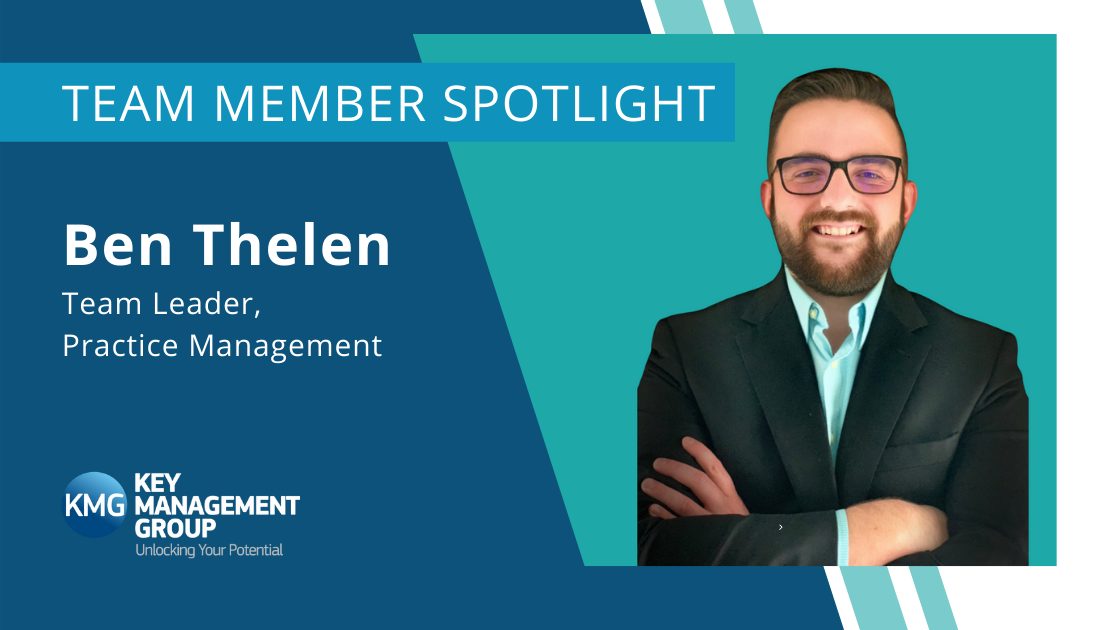
This blog post is part of a series highlighting Key Management Group team members.
Ben Thelen joined Key Management Group as a Practice Management Coach but was soon applying his background as an advisor and his degree in Business Administration to solve even bigger problems for our clients. Now he serves […]
As all sectors of the economy struggle to find and retain talent, advisors are looking at ways to stay ahead of the great resignation trend and keep their staff on board. Many factors are leading employees to resign in record numbers. For the most part, the financial advisor industry has stayed ahead of the curve, […]

As 2021 comes to a close, we wanted to take a moment to reflect back on the year and how it has impacted the financial advisor industry. Despite a continued pandemic, supply chain woes, and rising inflation, advisors not only survived but thrived and emerged as a trusted and valued resource for clients. Advisors also […]

It’s always exciting bringing on a new team member. Whether adding a new position and growing your team, or replacing someone who has left, the new person represents possibility for the future and a hope that the practice is moving in the right direction. Unfortunately, that excitement can quickly fade if certain steps aren’t taken […]

